

Who Is Hugo Bachega, and Why His Accent Stands Out
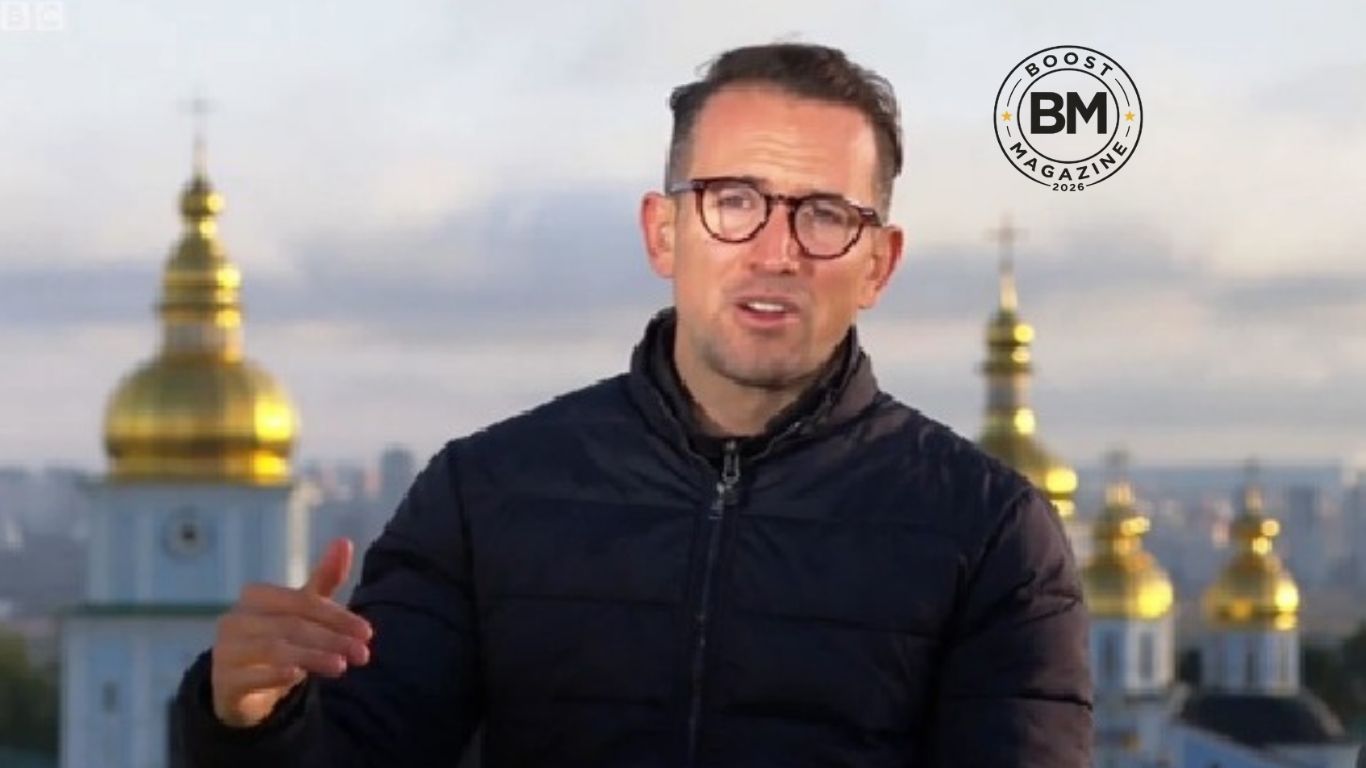
Hugo Bachega is known as an international correspondent for the BBC, reporting from complex regions with clarity and confidence. His role requires him to speak to a global audience, which naturally shapes the way he communicates. Instead of leaning into a strong regional tone, his voice is adapted for broad understanding across different cultures and language backgrounds.
What makes his accent stand out is not just its origin, but how it sounds in real situations. His delivery is calm, measured, and easy to follow. There’s a smooth rhythm to his speech, along with controlled intonation that gives his reporting a sense of authority. As a result, listeners often find his voice both distinctive and accessible, striking a balance between personality and professionalism.
What accent does Hugo Bachega have?
Many people try to place Hugo Bachega’s accent into a familiar category, such as British or European. However, it doesn’t fit neatly into any one label. His way of speaking reflects a neutral, internationally influenced style shaped by experience, language exposure, and professional training.
Because he likely uses English in a multilingual context, his pronunciation focuses more on clarity than on imitation of a native accent. You may notice a very slight foreign tone at times, but it’s subtle and doesn’t affect understanding. In fact, this kind of balanced delivery is quite common among international journalists.
Over time, his speech has become consistent and reliable, especially during live reporting. Whether he’s covering breaking news or delivering a prepared segment, his voice remains steady. That consistency plays a big role in building trust with viewers and helps explain why his accent feels both natural and globally accessible.
Why BBC Journalists Use a Neutral News Accent
A neutral accent is a key part of modern broadcast journalism, particularly at organizations like the BBC. The main reason is simple: news is meant for a global audience. If a reporter speaks with a very strong regional accent, it can make understanding more difficult for international viewers.
To avoid this, journalists are trained to focus on clarity and ease of comprehension. Their speech is shaped by newsroom standards that emphasize clear pronunciation, balanced tone, and steady delivery. This doesn’t mean removing personality—it means making sure the message comes through without distraction.
In addition, reporters often cover sensitive or complex topics where clarity is essential. A neutral speaking style helps reduce confusion and keeps the focus on the information being shared. Over time, this approach has become a trusted standard in global media, helping audiences connect with the news regardless of where they are.
Key Features of Hugo Bachega’s Speaking Style
One of the most noticeable aspects of Hugo Bachega’s voice is his rhythm. He speaks at a steady pace, allowing listeners to follow along easily. His intonation is controlled, which helps highlight important points without sounding exaggerated. This creates a calm and confident tone that works well in serious reporting situations.
Another important feature is his clear articulation. Each word is pronounced carefully, making his speech easy to understand even in fast-moving news segments. This level of clarity doesn’t happen by chance—it’s developed through practice and experience. Over time, journalists learn how to adjust their speech to suit different situations, whether they are reporting live or narrating a story.
His overall tone also stands out. It feels professional, yet not overly rigid. There’s a subtle conversational quality that makes his delivery engaging without losing authority. This balance is what makes his communication effective, especially when addressing a wide and diverse audience.
How International Journalists Develop Their Accent
For many international journalists, developing a clear and effective speaking style is a gradual process. It often begins with learning English in a way that prioritizes understanding rather than sounding native. The goal is to communicate clearly, not to copy a specific accent.
Training plays a big role in this development. Journalists often go through programs where they learn how to control their voice, improve pronunciation, and maintain consistency. These skills are reinforced through practice, especially in real reporting situations where clarity is essential.
Experience in the field also shapes how journalists speak. Reporting live, for example, requires the ability to stay clear and composed even in noisy or unpredictable environments. Over time, these challenges help refine a journalist’s voice, making it more adaptable and reliable. The result is a speaking style that feels natural while still meeting professional standards.
Global English Accents in Media: A Comparison
English accents in global media have become more diverse over time. While traditional broadcasting often favored certain styles, today’s journalists come from many different backgrounds. This has led to a wider range of voices, each shaped by unique linguistic influences.
However, clarity remains the common goal. Strong regional accents can add character, but they may also make communication harder for international audiences. That’s why many journalists aim for a more neutral approach, keeping their speech clear while still retaining some individuality.
Audience perception also plays a role. In some cases, a neutral accent is seen as more professional, while in others, a distinct accent can feel more authentic. Ultimately, what matters most is how effectively the message is delivered. A clear, confident voice tends to build trust, regardless of accent.
Accent vs Pronunciation: What Really Matters in Journalism
It’s helpful to understand the difference between accent and pronunciation when discussing speech in journalism. Accent refers to the overall sound of someone’s speech, including rhythm and tone. Pronunciation, on the other hand, focuses on how clearly individual words are spoken.
In news reporting, pronunciation is usually more important. Even if a journalist has a noticeable accent, clear pronunciation ensures the message is understood. This is why training often focuses on improving clarity rather than changing someone’s natural speech pattern.
Language naturally varies from person to person, especially in a global setting. However, professional standards help keep communication consistent. By focusing on clarity and fluency, journalists can deliver information effectively without needing to sound exactly like a native speaker.
Can You Develop a News Reporter Voice Like Hugo Bachega?
Yes, it is possible to develop a clear and professional speaking style similar to Hugo Bachega’s. The key is consistent practice and attention to detail. Start by speaking slowly and clearly, paying close attention to how you pronounce words. Recording yourself can also help you notice areas that need improvement.
Listening to experienced news presenters is another useful technique. By observing their rhythm and tone, you can begin to understand what makes their speech effective. Try reading aloud regularly, focusing on smooth delivery and natural pacing.
Confidence is just as important as technique. A strong voice in journalism comes from both skill and self-assurance. As you practice, aim to speak in a way that feels natural while still being clear and engaging. Over time, this combination will help you develop a voice that is both professional and authentic.
Frequently Asked Questions
What accent does Hugo Bachega have?
Hugo Bachega has a neutral, internationally influenced accent shaped by his multilingual background and professional experience. His speech is clear and easy to understand, with only a slight hint of foreign influence. This makes his voice suitable for global audiences while still retaining a natural feel.
Why do BBC reporters sound neutral?
BBC reporters are trained to speak in a way that is clear and widely understandable. A neutral accent helps reduce confusion for international viewers and keeps the focus on the news itself. This approach ensures that information is delivered consistently and effectively across different regions.
Is a slight foreign accent common in journalism?
Yes, many international journalists have a slight foreign accent, especially if English is not their first language. However, this rarely affects their ability to communicate. With proper training and practice, their speech remains clear, professional, and easy to follow.
Does accent affect credibility in news reporting?
Accent alone does not determine credibility. What matters most is clarity, accuracy, and confidence. A journalist who speaks clearly and delivers information effectively will build trust, regardless of their accent. In fact, diverse accents often reflect the global nature of modern journalism.
Conclusion
Hugo Bachega’s accent is a great example of how modern journalism blends clarity with individuality. His voice reflects both his background and the professional standards of global broadcasting. By focusing on clear pronunciation, steady delivery, and effective communication, he reaches audiences around the world with ease.
More broadly, his speaking style highlights an important shift in media. Today, the priority is not sounding native, but being understood. Clear communication, consistent delivery, and audience awareness matter far more than accent alone. For both listeners and aspiring journalists, this offers a valuable insight into what truly makes a voice effective in today’s global news landscape.
