

Music has always been a universal language, connecting people across cultures and generations. Among the many instruments that have captured the hearts of musicians worldwide, the ukulele stands out for its simplicity, cheerful sound, and fascinating history. Although often associated with Hawaiian beaches and tropical melodies, the ukulele has a much deeper story that spans continents and centuries.
Today, millions of people enjoy playing the ukulele, whether they are complete beginners or experienced musicians looking for a versatile instrument. Its popularity continues to grow thanks to its accessibility, affordability, and rich cultural heritage.
The Origins of the Ukulele
Contrary to popular belief, the ukulele did not originate entirely in Hawaii. Its roots can be traced back to the Portuguese island of Madeira, where immigrants brought small stringed instruments such as the machete and braguinha during the late nineteenth century.
When these immigrants arrived in Hawaii, local craftsmen and musicians embraced the design and adapted it to suit Hawaiian musical traditions. The result was the modern ukulele, a compact four-string instrument with a unique and joyful tone.
King David Kalākaua, often known as the “Merrie Monarch,” played a significant role in promoting Hawaiian arts and music. Under his patronage, the ukulele became an important symbol of Hawaiian culture and was frequently featured at royal gatherings and public celebrations.
Why the Ukulele Became So Popular
One of the biggest reasons for the ukulele’s global success is its simplicity. Unlike many other stringed instruments, the ukulele requires only a few basic chords to play a wide variety of songs. Beginners can often perform simple tunes after just a few practice sessions, making it an excellent choice for children and adults alike.
The instrument is also lightweight and portable. Whether someone is traveling, attending a campfire gathering, or simply relaxing at home, carrying a ukulele is easy. This convenience has helped it become one of the world’s most beloved instruments.
Another factor behind its popularity is its versatility. While many people associate the ukulele with traditional Hawaiian music, it is now commonly used in pop, jazz, folk, country, and even classical arrangements.
The Global Expansion of Hawaiian Music
The ukulele’s journey beyond Hawaii accelerated during the early twentieth century. The Panama-Pacific International Exposition in San Francisco in 1915 introduced many Americans to Hawaiian culture and music. Audiences were captivated by the instrument’s bright sound and charming appearance.
Soon afterward, manufacturers began producing ukuleles on a larger scale, making them affordable for families across the United States and Europe. During the 1920s, the instrument became a staple of home entertainment, appearing in music halls, radio broadcasts, and educational programs.
Even after periods when its popularity declined, the ukulele always managed to find a new generation of players eager to rediscover its charm.
A New Generation of Musicians
The digital age has sparked an incredible revival of the ukulele. Social media platforms and online video tutorials have made learning easier than ever before. Beginners can now access thousands of free lessons, chord charts, and song tutorials with just a few clicks.
Many famous artists have also contributed to the instrument’s resurgence by incorporating it into their performances and recordings. Modern musicians appreciate its warm, natural sound and its ability to create an intimate connection with audiences.
Schools and community groups have embraced the ukulele as an educational tool because it helps students develop rhythm, coordination, and confidence while introducing them to the fundamentals of music.
The Rich Heritage Behind the Instrument
The ukulele is much more than a simple four-string instrument. Its history connects Portuguese craftsmanship with Hawaiian culture, creating a musical tradition that has spread across the globe. Over the years, historians, musicians, and collectors have worked to preserve the stories behind its development and the people who shaped its evolution. If you are interested in discovering more about the origins, craftsmanship, and historical journey of the ukulele, visit Ukulele History, where you can explore detailed information about one of the world’s most beloved instruments.
The Craftsmanship Behind Every Ukulele
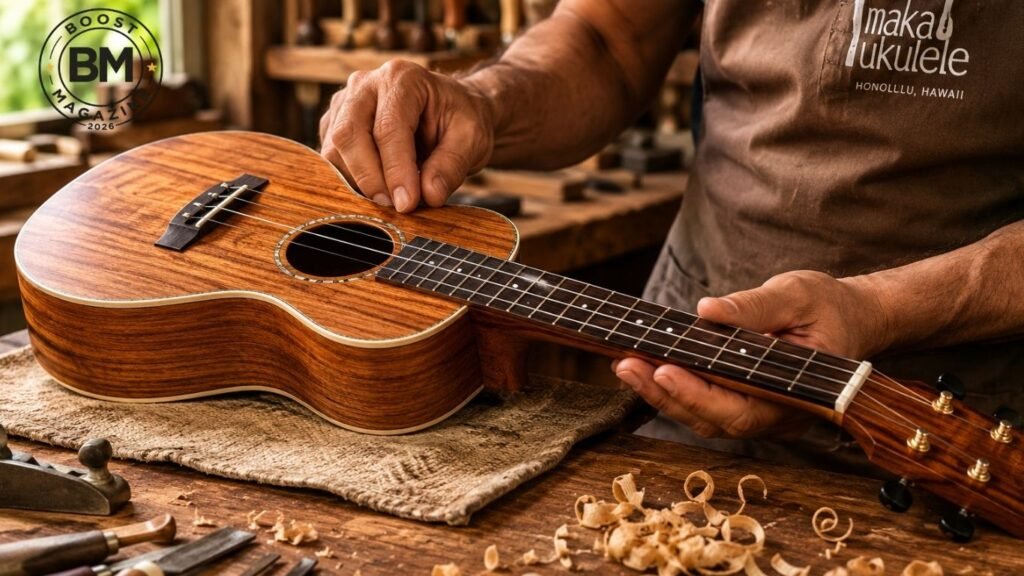
While affordable beginner models are widely available, handcrafted ukuleles remain highly valued by collectors and professional musicians. Traditional builders carefully select tonewoods such as koa, mahogany, and spruce to create instruments with unique visual beauty and exceptional sound quality.
The art of ukulele making has been passed down through generations, combining woodworking skills with musical expertise. Every detail, from the shape of the body to the placement of the bridge, influences the instrument’s final tone.
For those interested in exploring the fascinating story behind these traditional building techniques and the evolution of the instrument itself, resources like Ukulele History provide valuable insights into the heritage and development of one of the world’s most iconic musical instruments.
More Than Just a Beginner’s Instrument
Although many people start their musical journey with the ukulele, it is far from being just a beginner’s instrument. Professional performers continue to push its creative boundaries, demonstrating that four simple strings can produce surprisingly rich and expressive music.
Concert ukuleles, tenor models, and baritone variations each offer unique tonal characteristics that appeal to different styles of playing. Advanced techniques such as fingerpicking, harmonics, and percussive strumming have expanded the possibilities of what can be achieved with the instrument.
This versatility has helped the ukulele earn respect among serious musicians while remaining approachable for newcomers.
The Future of the Ukulele
As interest in acoustic music and creative hobbies continues to grow, the future of the ukulele looks brighter than ever. Its affordability, ease of learning, and rich cultural background make it an ideal instrument for people of all ages.
Music educators increasingly recommend the ukulele as a gateway instrument, while collectors continue to seek rare vintage models that tell the story of its remarkable journey. Meanwhile, online communities bring together players from around the world, creating friendships through a shared passion for music.
The ukulele proves that an instrument does not need to be large or complicated to make a lasting impact. Its cheerful sound, historical significance, and universal appeal have ensured its place in musical history.
Whether someone picks up a ukulele for the first time or has been playing for decades, they become part of a tradition that spans continents and generations. It is this unique combination of simplicity and heritage that continues to inspire musicians around the world.
Frequently Asked Questions (FAQs)
1. Where did the ukulele originally come from?
The ukulele was developed in Hawaii during the late 19th century, inspired by small Portuguese stringed instruments brought by immigrants from Madeira.
2. Why is the ukulele so popular with beginners?
Its compact size, four-string design, and simple chord patterns make it one of the easiest musical instruments to learn.
3. What are the main types of ukuleles?
The four most common types are soprano, concert, tenor, and baritone, each offering a slightly different size and sound.
4. Can the ukulele be used for different music genres?
Yes. While it is closely associated with Hawaiian music, the ukulele is widely used in pop, folk, jazz, country, and even classical performances.
5. What wood is traditionally used to make a ukulele?
Koa wood, native to Hawaii, is one of the most traditional and highly valued materials, although mahogany and spruce are also popular choices.
6. Where can I learn more about the history of the ukulele?
If you want to explore the instrument’s origins, craftsmanship, and cultural significance in greater detail, you can visit Ukulele History, a dedicated resource for ukulele enthusiasts and history lovers.
Conclusion
The ukulele may be small in size, but its impact on the world of music is truly remarkable. From its Portuguese roots to its transformation into a symbol of Hawaiian culture, the instrument has inspired generations of musicians with its cheerful sound and simple design. Its accessibility makes it perfect for beginners, while its versatility continues to attract experienced performers across many musical styles.
As interest in acoustic music continues to grow, the ukulele remains one of the most beloved instruments worldwide. Understanding its rich heritage adds even more appreciation for the music it creates. For readers who would like to dive deeper into the fascinating story behind this iconic instrument, Ukulele History offers valuable insights into its evolution and lasting legacy.