
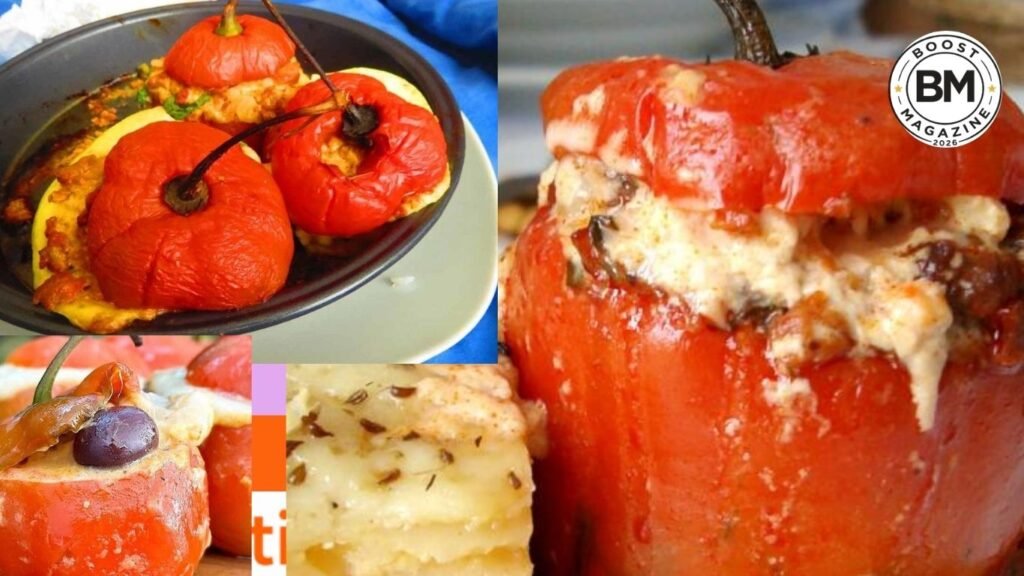

If you’ve ever bitten into a perfectly stuffed rocoto pepper — that smoky, spicy shell packed with seasoned beef, melted cheese, and hard-boiled egg — you already know why people go out of their way to find it. Rocoto Relleno is one of those dishes that doesn’t get talked about nearly enough outside Peruvian communities, yet the moment you try it, it becomes something you actively search for. The problem is, not every Peruvian restaurant on the block does it justice.
Finding the best rocoto relleno near you takes a little more than a quick Google Maps search. You want the real thing: a rocoto pepper that still has some bite to it, filling that’s been seasoned properly, and that signature baked finish with queso fresco bubbling on top. This guide is here to help you find exactly that — whether you’re a longtime fan of Peruvian food or someone who just discovered this dish exists and immediately needed to know where to get it.
We’ll cover what makes an authentic rocoto relleno, how spicy it actually is, what to look for in a Peruvian restaurant, and what else to order while you’re there. By the time you’re done reading, you’ll know exactly what to look for — and what to avoid.
What Is Rocoto Relleno and Why Is It a Signature Peruvian Dish?
Rocoto Relleno is a traditional stuffed pepper dish from Arequipa, a city in southern Peru that takes its food seriously. The rocoto pepper itself is native to the Andean highlands and looks a lot like a red bell pepper on the outside, which has tripped up more than a few first-time diners. Inside, though, it’s a different story — rocotos contain black seeds and a heat level that can surprise people who weren’t expecting it.
The dish was born out of Arequipa’s rich culinary tradition, which blends indigenous Andean ingredients with Spanish colonial influences. The filling typically includes ground beef or pork, hard-boiled eggs, olives, raisins, and spices — all sautéed together before being stuffed into the pepper. The whole thing gets topped with queso fresco and baked until it’s soft, slightly charred, and pulling together into something that feels like comfort food with real depth. It’s commonly served with a side of papas al gratin — a creamy potato casserole — which balances the heat beautifully.
What makes rocoto relleno stand out in Peruvian cuisine isn’t just the flavor. It represents a whole school of Arequipeño cooking, sometimes called “cocina mestiza,” where local ingredients meet Old World techniques. In Peru, you’ll find variations of this dish everywhere from corner restaurants called “picanterías” to upscale Lima restaurants. Outside Peru, it’s one of the clearest signals that a Peruvian restaurant is actually serious about traditional cooking, because it’s not a dish you throw together — it requires sourcing the right peppers and knowing how to prepare them properly.
How to Find the Best Rocoto Relleno Near You
The most straightforward way to start your search is Google Maps. Type “Peruvian restaurant near me” or “rocoto relleno near me” and check what comes up. But here’s the thing — not every Peruvian restaurant will have rocoto relleno on the menu, and among those that do, the quality varies a lot. Look at the photos people upload, specifically searching for the dish by name in the reviews section. If you see images that show a deep red stuffed pepper with melted cheese on top and a gratin on the side, that’s a good sign.
Yelp is useful for filtering by cuisine type and reading reviews that specifically mention individual dishes. Search “Peruvian” and then filter by highest rated. When you find a restaurant that looks promising, search for “rocoto” in the reviews. People who know Peruvian food will mention it if it’s good — and they’ll also mention if it’s disappointing. TripAdvisor works similarly and is especially helpful if you’re in a city with a lot of tourist traffic, since food-focused travelers often leave detailed notes about specific dishes.
Word of mouth still works better than any algorithm. If you know anyone in the Latin American community — especially anyone with Peruvian roots — ask them where they go. Family-owned Peruvian restaurants that don’t have a huge social media presence often make the most authentic versions of this dish, cooking from recipes that have been passed down rather than adapted for a broader audience. Local Facebook groups, Reddit threads about food in your city, and neighborhood apps like Nextdoor can also surface spots that don’t show up at the top of search results.
What Makes an Authentic Rocoto Relleno?
The pepper itself is the starting point. Real rocoto peppers have thick flesh, a deep red color when ripe, and a level of heat that’s noticeably stronger than jalapeños. Some restaurants outside Peru substitute red bell peppers to avoid the spice issue or because rocoto peppers are harder to source. That’s a shortcut, and it changes the dish fundamentally — the flavor of the rocoto is fruity, complex, and a little floral in a way that a bell pepper simply isn’t. If you’re biting into something that tastes mild and sweet before even considering the filling, it’s probably not a rocoto.
The filling should be savory, moist, and well-seasoned. Traditional recipes use ground beef or a beef-and-pork mix, sautéed with onion, garlic, tomato, and Peruvian spices including cumin and aji amarillo. Raisins and olives are classic additions that add a subtle sweetness and brininess that cuts through the richness of the meat. Hard-boiled eggs get layered in before the pepper is closed up. Some families use small variations — different ratios of meat, a little more cheese, fewer raisins — but the core profile should feel hearty and deeply savory, not bland.
Baking is non-negotiable. Rocoto relleno should come out of the oven with color on top, the cheese melted and slightly golden, and the pepper itself softened but still holding its shape. The gratin on the side — usually a potato and cheese casserole — should be creamy and rich, because it’s there to cool your palate between bites of the pepper. If the pepper arrives limp and swimming in liquid, or if the cheese looks like it was melted in a microwave, those are signs the kitchen didn’t give the dish the attention it deserves.
Top Peruvian Restaurants Known for Rocoto Relleno
Restaurants that serve outstanding rocoto relleno tend to share a few things in common. They usually have a chef or owner with a genuine connection to Peruvian cooking — often someone who grew up eating this dish or trained in Peru. They stock their kitchens with the right ingredients, which sometimes means importing rocoto peppers or growing their own. And they treat it as a signature dish rather than a menu filler.
In cities with large Peruvian communities — Miami, Los Angeles, New York, Washington D.C., Chicago, and Houston all have notable scenes — you’ll find restaurants where rocoto relleno is a weekly special or a permanent fixture. When evaluating a spot, look at how broad the Peruvian menu is. A restaurant that also serves ceviche, lomo saltado, aji de gallina, and anticuchos is likely sourcing authentically across the board. Restaurants that offer one or two token Peruvian dishes alongside a generic Latin American menu are less likely to nail something as specific as rocoto relleno.
For the most reliable recommendations in your area, check if any local food publications or restaurant guides have reviewed Peruvian spots recently. A mention in a trusted local food blog or newspaper means a critic actually visited and evaluated the food. You can also look at whether a restaurant has been open for several years — longevity in the restaurant industry, especially for a niche cuisine, usually means the food is genuinely good. A Peruvian restaurant that’s been operating for a decade in your neighborhood has earned it through repeat customers, not just novelty.
Other Traditional Peruvian Dishes Worth Trying
If you’re going to a Peruvian restaurant specifically for rocoto relleno, use the opportunity to try the full menu. Ceviche is probably the most internationally recognized Peruvian dish — raw fish cured in lime juice with aji amarillo, red onion, and cilantro, served with corn and sweet potato. It’s bright, acidic, and completely different in flavor profile from the hearty, baked richness of rocoto relleno, which makes the two a natural pairing if you’re building a full meal.
Lomo saltado is a stir-fry that represents the Chinese-Peruvian fusion tradition called “chifa.” Strips of beef are cooked with tomatoes, onions, soy sauce, and aji amarillo, then served over rice and french fries — yes, fries in the stir-fry, and somehow it completely works. Aji de gallina is a creamy chicken dish made with a yellow pepper sauce, bread, and walnuts, and it’s one of the most comforting things on any Peruvian menu. Papa a la Huancaína — sliced potatoes in a creamy, slightly spicy cheese sauce — is the kind of appetizer that makes you wish you’d ordered two.
For drinks, try chicha morada, a sweet, deeply purple drink made from purple corn, pineapple, and cinnamon. It’s non-alcoholic, refreshing, and pairs remarkably well with spicy food. Inca Kola, the Peruvian national soda, has a flavor somewhere between cream soda and bubblegum — it’s unusual but worth trying at least once. If the restaurant has a cocktail menu, look for a pisco sour, which is Peru’s signature cocktail made from pisco brandy, lime juice, egg white, and bitters. It’s tart and frothy and finishes a meal perfectly.
How Spicy Is Rocoto Relleno? What to Expect Before Ordering
The rocoto pepper sits well above a jalapeño on the Scoville scale. A jalapeño typically measures between 2,500 and 8,000 Scoville heat units, while rocotos can range from 30,000 to 100,000 units — closer to a serrano or a cayenne, and sometimes approaching habanero territory depending on the specific variety and growing conditions. So if you have a low tolerance for heat, this is important to know before you commit to an entire stuffed pepper.
That said, preparation matters a lot. Traditional Peruvian cooks go through a careful process of removing the seeds and veins from the rocoto pepper, then blanching it in salted boiling water — sometimes multiple times — to reduce the heat level while preserving the pepper’s flavor and shape. A well-prepared rocoto relleno should be noticeably spicy but not incapacitating. The filling and the gratin on the side also help moderate the heat as you eat. If a restaurant prepares it properly, most people with a medium heat tolerance can get through the dish and genuinely enjoy it.
The best way to gauge the spice level before ordering is to ask your server directly. A good server at a Peruvian restaurant will be able to tell you whether the chef keeps the heat relatively mild or stays closer to the traditional level of spiciness. Some restaurants adjust the preparation based on customer feedback — which is a practical decision, even if purists might disagree. If you’re genuinely worried about heat, order a glass of milk or something dairy-based alongside it; the fat in dairy neutralizes capsaicin far more effectively than water or soda.
Tips for Choosing an Authentic Peruvian Restaurant
The easiest authenticity check is the menu itself. A real Peruvian restaurant won’t just have ceviche and lomo saltado — it’ll have depth. Look for dishes like causa (layered potato casserole), sudado (fish stew), seco de res (beef stew with cilantro), or desserts like picarones (sweet potato fritters with syrup) or suspiro limeño (a caramel and meringue custard). The presence of regional specialties, especially Arequipeño dishes like rocoto relleno or adobo arequipeño, is a strong indicator that the kitchen is drawing on real culinary knowledge.
Pay attention to the ingredients listed on the menu. Aji amarillo, aji panca, huacatay, and culantro are Peruvian pantry staples that don’t really have close substitutes. If a menu describes dishes using these ingredients by name, the kitchen is at least sourcing the right things. If all the heat in the menu comes from “spicy peppers” without any specifics, that’s a softer signal. Similarly, if the menu mentions chicha morada or pisco sours, it suggests the restaurant is trying to give you a full Peruvian experience rather than just a few familiar dishes.
Don’t underestimate the value of a recommendation from someone Peruvian. A Peruvian person who eats at a particular restaurant regularly is the most reliable endorsement you can get. Online review platforms are useful, but they’re written by a general audience. Someone with cultural familiarity with the food knows exactly when something tastes off, when the rocoto wasn’t prepared correctly, or when the lomo saltado lacks the wok-char it’s supposed to have. If you can find reviews specifically from Peruvian diners, those are the ones to pay the most attention to.
Dine-In, Takeout, or Delivery: Which Option Is Best?
For rocoto relleno specifically, dine-in is almost always the better choice. The dish is at its best the moment it comes out of the oven — the pepper is soft and slightly smoky, the cheese is melted and fresh, and the gratin alongside it is still creamy and hot. Once it sits in a delivery container for 20 to 30 minutes, the pepper softens further, the cheese congeals, and the steam inside the container changes the texture of the filling. It’s still edible, but it loses something in transit.
That said, if your only realistic option for getting rocoto relleno is delivery — maybe the closest Peruvian restaurant is far from you, or your schedule doesn’t allow for a sit-down meal — it’s still worth ordering. A few things help: reheat it in an oven or toaster oven at around 350°F for 10 to 15 minutes rather than microwaving it. The microwave tends to make the pepper rubbery, while dry heat from an oven can revive some of the original texture. Heating it covered for the first few minutes, then uncovering to let the top crisp slightly, gives you the best result at home.
Takeout — where you pick it up and eat within 15 minutes — falls in between. If the restaurant packs it well and you’re eating soon, you can have a pretty satisfying experience. Some Peruvian restaurants that prioritize takeout do pack the gratin separately, which helps since it reheats better on its own. Call ahead and ask if this is something they do; a restaurant that puts that kind of thought into packaging usually cares about the food arriving in good condition.
Frequently Asked Questions About Rocoto Relleno
What is Rocoto Relleno?
Rocoto Relleno is a traditional Peruvian dish originating from Arequipa. It consists of a rocoto pepper — a thick-fleshed, spicy Andean pepper — stuffed with a savory filling of ground beef, hard-boiled eggs, olives, raisins, and spices, then topped with queso fresco and baked. It’s typically served with a potato gratin called papas al gratin.
Is Rocoto Relleno very spicy?
It can be, yes. Rocoto peppers are significantly hotter than jalapeños, though traditional preparation involves blanching the pepper to reduce heat without sacrificing flavor. Most restaurants outside Peru moderate the spice level somewhat. If you’re sensitive to heat, let your server know when you order.
What does Rocoto Relleno taste like?
The pepper itself has a fruity, slightly floral flavor beneath the heat. The filling is rich, savory, and slightly sweet from the raisins, with a briny depth from the olives. Baked together, the whole dish has a hearty, warming quality — it’s comfort food with complexity.
Is Rocoto Relleno gluten-free?
The dish as traditionally prepared doesn’t include wheat-based ingredients, but fillings can vary by restaurant. Some cooks add breadcrumbs to the filling. If you have a gluten intolerance or allergy, ask the kitchen specifically before ordering.
What side dishes come with Rocoto Relleno?
The classic accompaniment is papas al gratin — a creamy, baked potato casserole that complements the spice of the pepper. Some restaurants also serve it with white rice or a simple salad.
Is Rocoto pepper hotter than jalapeño?
Yes, considerably. Rocotos range from 30,000 to 100,000 Scoville units, while jalapeños typically sit between 2,500 and 8,000. Proper preparation reduces the heat, but you should expect rocoto relleno to be noticeably spicier than dishes made with jalapeños.
Where did Rocoto Relleno originate?
The dish comes from Arequipa, Peru’s second-largest city, which has one of the most distinctive and celebrated regional food traditions in the country. Arequipeño cuisine is known for its bold use of local peppers and deep flavors.
What should I order with Rocoto Relleno?
Ceviche or causa make great starters before the main dish. For drinks, chicha morada or a pisco sour are both excellent pairings. If you want dessert, picarones or suspiro limeño round out a full Peruvian meal.
Final Tips for Enjoying the Best Rocoto Relleno Near You
The best version of this dish you’ll find near you is probably being made by someone who learned the recipe at home before they ever made it in a restaurant. That’s the honest truth about traditional Peruvian cooking — the best stuff comes out of kitchens run by people with a personal connection to the food. Look for family-owned restaurants with a loyal local following. Check if the chef or owner is Peruvian. Look at how much of the menu is dedicated to authentic regional dishes rather than a broad catch-all Latin American spread. These aren’t guarantees, but they shift the odds in your favor.
Give yourself a full meal experience when you go. Rocoto Relleno is not a dish to rush through — it’s one course in a cuisine that deserves to be explored. Order the ceviche, try the chicha morada, and if the dessert menu has suspiro limeño, save room for it. Peruvian food is one of the most underrated cuisines in the world, and finding a genuinely good restaurant near you is worth the effort. Once you have, go back regularly. Good Peruvian restaurants survive on their regulars, and the more people who support them, the more places there will be to find dishes like this one.
Keeping up with food-focused local publications and following Peruvian restaurants on social media is a great way to stay updated on new openings, seasonal specials, and pop-ups where dishes like rocoto relleno might appear even outside a traditional restaurant setting. The best meal you’ve had might not be the last one.